
Our Story
Jeannette started landscaping here in East Jefferson County in 2007, not knowing that years later she would create an ecologically focused horticultural landscaping company. After years of pulling weeds and pushing wheelbarrows, she got the opportunity to apprentice with a pruning master and longtime local landscaper, Joe Bayley.
Working alongside Joe, Jeannette learned the art of pruning, design, and listening to plants for nearly seven years. By 2017, she had grown into her own, gathering clients and new projects along the way.
In 2018, she moved to Australia to work as a chef, but soon found herself yearning to come home. She dreamt of returning to her passion, working with plants, soil, and nature to create beautiful landscapes that invite people to connect with the land in the intimacy of their own backyards.
Wild Brassica became a living dream over the winter of 2019 while she was working at Secret Gardens Nursery. There, she spent her time talking with clients, teaching about plants, and sharing ecologically sound landscaping practices.
Wild Brassica officially opened in February of 2020, just as COVID was closing everything down. Despite the uncertainty, the business continued through the pandemic and has not slowed down since. Six years later, Wild Brassica has grown into a full scale landscape and construction company, with a team of six employees creating beauty across the county.
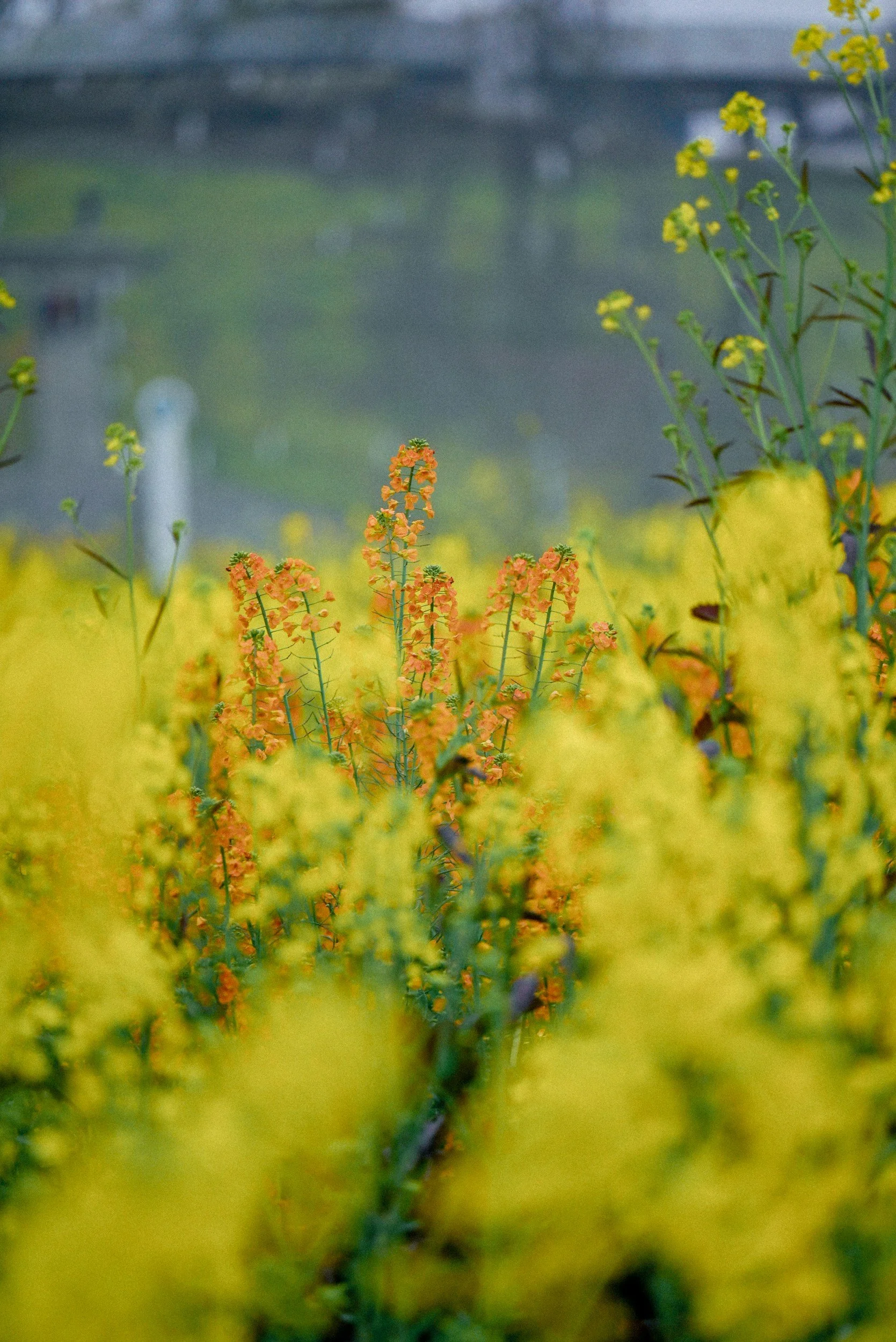
What is a Brassica and why?
Brassicas are most commonly known as cruciferous vegetables such as kale, broccoli, cauliflower, collard greens, Brussels sprouts, cabbage, and more.
All of these edible plants come from the same ancestor, the wild cabbage plant.
In homage to our roots, our ancestors, and Jeannette’s second passion as a chef, the name reflects a deeper intention, to remember where we come from and to recognize that even in a cultivated world, we can remain wild at heart.
The Brassicaceae family contains over 3,700 known plants around the world. Many of our native wildflowers here in the PNW belong to this family.
Aren’t some Wild Brassicas invasive?
Yes, wild garlic mustard is considered an invasive weed, and in some areas it is overcompeting with native plants.
Jeannette finds it ironic that this invasive plant mirrors the behavior of humans who have colonized different parts of the world. As wild mustard and humans continue to impact nature, there is also a sense of beauty and resilience that emerges.
Humans, along with many so called invasive plants, can contribute missing nutrients, beauty, and in the case of wild brassicas, a wild food source to a landscape. This is a long and nuanced conversation, but one worth considering as we reflect on how our planet continues to evolve.